 Español

The rapid evolution of digital textile decoration has made Direct-to-Film (DTF) technology one of the most profitable segments in the printing supply industry. As demand continues to surge worldwide, distributors and supply vendors face a crucial challenge: finding reliable, high-performing sources for bulk materials. Securing the right dtf film roll wholesale supply is essential not only for maximizing profit margins but also for ensuring consistent transfer quality for end-users.
This comprehensive buying guide provides printing supply distributors, wholesalers, and large-scale print hubs with actionable insights into selecting, evaluating, and purchasing wholesale DTF film rolls.
1. Understanding the Market Demand for DTF Film Rolls
Direct-to-Film printing has transformed custom apparel production. Unlike traditional screen printing or direct-to-garment (DTG) methods, DTF offers unmatched flexibility, vibrant color reproduction, and compatibility with a wide range of fabrics, including cotton, polyester, blends, and nylon. When analyzing DTF vs sublimation printing, DTF consistently wins on dark fabrics and cotton substrates, fueling massive ongoing demand for transfer consumables.
For distributors, stocking premium DTF film rolls ensures high inventory turnover, recurring consumable sales, and long-term customer retention.
2. Key Specifications to Consider When Buying Wholesale
When evaluating bulk suppliers, paying close attention to technical specifications guarantees that the film rolls you supply match your clients’ machinery and output needs.
Roll Dimensions and Widths
DTF film rolls are produced in standard widths to fit various commercial printer models:
- 30cm (12 inches) Rolls: Popular for entry-level, desktop, or dual-head small-format roll-to-roll setups.
- 60cm (24 inches) Rolls: The industrial standard for high-volume print shops operating multi-head production machinery.
- Custom Widths (e.g., 40cm, 120cm): Specialized sizes tailored for specific wide-format production lines.
Standard roll lengths typically range from 100 meters (328 feet) to 200 meters. Distributors should maintain inventory across multiple standard widths to serve diverse customer setups.
Coating Technology and Material Composition
The core performance of any transfer film lies in its base polymer and microscopic coating layers. Understanding what material DTF film is made of helps distributors select films that prevent ink bleeding, static buildup, and uneven powder adhesion. High-grade PET (Polyethylene Terephthalate) base films feature specialized ink-receptive coatings that lock in liquid ink drops cleanly.
Peel Characteristics: Hot Tear vs. Cold Tear
End-users select films based on production speed and desired finish. When sourcing wholesale rolls, offer choices across both primary categories:
- Hot Peel Films: Allow immediate removal of the carrier film within 1 to 3 seconds after heat pressing, significantly boosting production output in fast-paced garments facilities.
- Cold Peel Films: Require cooling before removal, providing high dimensional stability and ultra-crisp detail resolution.
For a detailed technical comparison, explore our guide on the difference between cold tear and hot tear DTF film.
3. Quality Indicators for Bulk DTF Film Rolls
Buying in wholesale volumes requires strict quality assurance. Poor-quality film rolls can lead to high return rates and damage your reputation. Ensure your supplier monitors the following metrics:
- Coating Uniformity: Streaks or patchy coating lead to uneven ink absorption and pinhole defects during transfer.
- Anti-Static Properties: Quality rolls feature back-side anti-static treatments to prevent hot melt powder from sticking to non-printed areas.
- Ink Capacity: The film must absorb dense layers of white ink without bleeding or pooling. This performance directly relates to the formulation of what DTF ink is used in production.
- Baking Stability: High-grade PET films maintain structural integrity without curling or warping under high-temperature powder curing shakers.
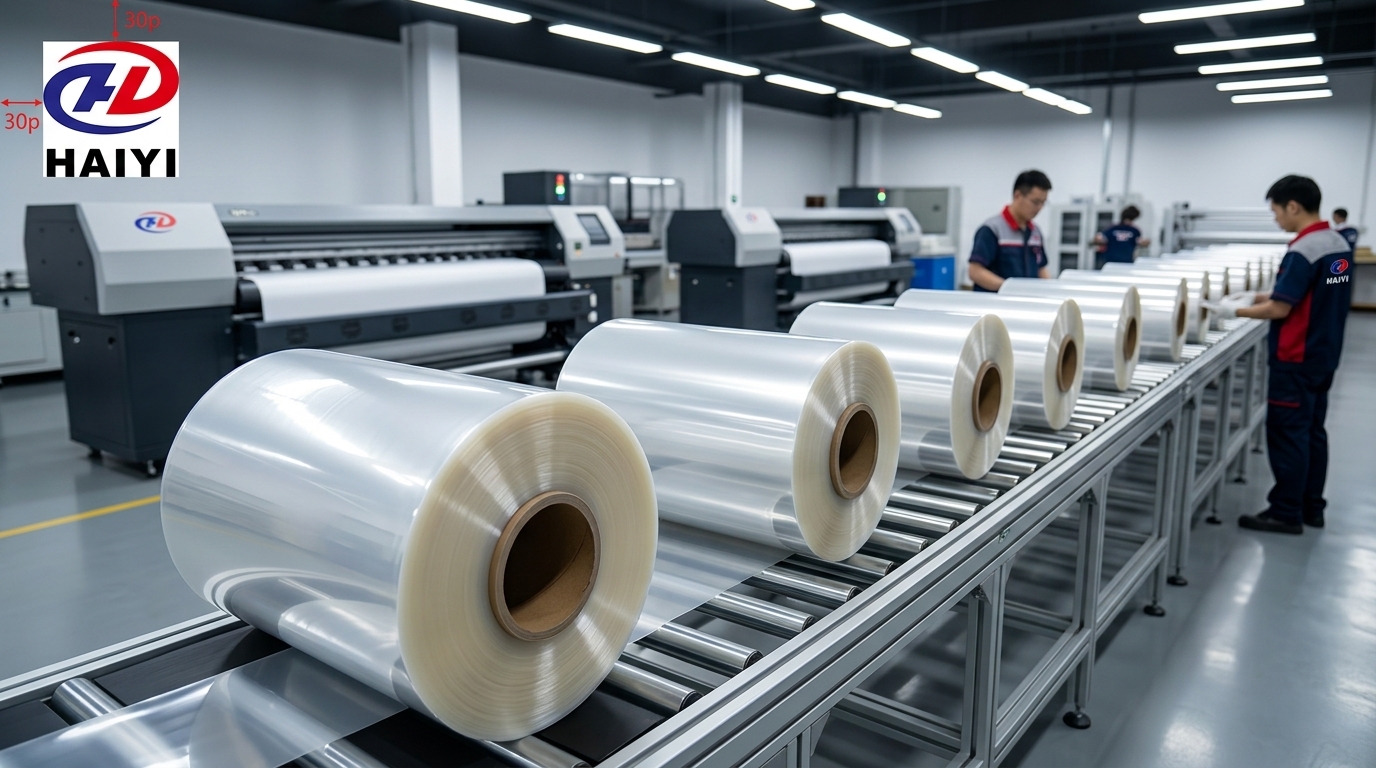
Partnering with manufacturers who adhere to rigorous DTF film manufacturing processes ensures roll-to-roll consistency across large shipments.
4. Strategic Sourcing Tips for Distributors
To establish a resilient supply chain and maximize profitability, keep these strategic tips in mind when negotiating wholesale orders:
- Request Sample Rolls First: Test samples across various printer models, curing shakers, and heat presses before placing container-load orders.
- Evaluate Packaging and Protection: Moisture and dust damage film coatings. Ensure rolls are sealed in moisture-proof foil bags, protected by foam end-caps, and shipped in rigid outer cartons.
- Assess Supplier Capacity: Confirm your manufacturer has sufficient monthly capacity to support your growth without extended lead times.
- Check Storage Guidelines: Educate your logistics team and end-customers on proper warehouse storage (50–65% humidity, kept away from direct sunlight) to maintain film shelf life up to 12–24 months.
Conclusion
Sourcing high-quality dtf film roll wholesale products requires balancing price, technical performance, and supplier reliability. By understanding critical product specifications—such as peel types, coating technologies, and dimension standards—distributors can build a robust product catalog that keeps print shop clients productive and loyal. Choose manufacturing partners committed to strict quality control, sound packaging, and ongoing product innovation.